Seamless Leather Textures - Soul Pack: Your Go-To for Authentic Digital Design
Understanding the Visual Character of the Soul Pack
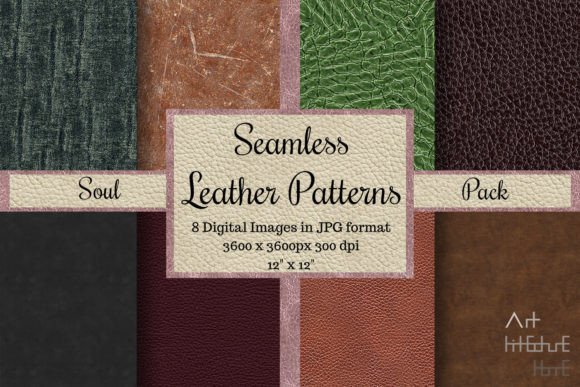
When you're working on a project that needs to convey warmth, durability, or a touch of classic craftsmanship, the right texture makes all the difference. The Seamless Leather Textures - Soul Pack is a collection of eight high-quality digital patterns designed to replicate the nuanced look and feel of genuine leather. Each pattern in this set isn't just a flat image; it's a carefully crafted asset with subtle grain variations, soft shadows, and the organic imperfections that give leather its distinctive, lived-in character. This isn't about a single, uniform sheet. You'll find options that suggest everything from the smooth, polished surface of a well-used briefcase to the softer, more matte finish of a favorite jacket. The personality of this pack leans toward authenticity and tactile appeal, making it a versatile foundation for projects that aim to feel established, reliable, and full of character.
Practical Applications Across Creative and Professional Projects
The true value of a design asset like the Seamless Leather Textures - Soul Pack lies in its adaptability. Because each image is seamless, measures 12x12 inches at 300 dpi, and comes in a generous 3600x3600 pixel format, you can scale it confidently for both digital and physical applications without losing clarity. This makes it a practical choice for a wide range of work.
For brand identity and logo design, a leather texture can instantly communicate heritage, quality, and hands-on expertise. Imagine using a subtle grain as the background for a business card or letterhead for an artisanal goods company, a boutique law firm, or a vintage motorcycle shop. It sets a specific tone before a single word is read. In packaging design, these textures can be used to create mockups for product boxes, labels, or sleeves that need to feel premium and substantial. The texture does the heavy lifting of suggesting a high-quality product inside.
Moving into the digital space, these patterns are excellent for web design and social media graphics. A leather background can add depth and interest to a website header, a pricing table, or a promotional banner, helping to break the monotony of flat color. For social media, a textured backdrop can make text overlays pop and give your visual content a more curated, professional look compared to using a solid color or a generic stock photo. Content creators and bloggers can use them for featured images or as a consistent theme element that builds visual recognition.
The applications extend far beyond the screen. For crafters and hobbyists, the pack is a goldmine. It's perfectly suited for scrapbooking digital layouts, creating printable cards & invitations with a rustic or elegant feel, or designing wedding props like menu cards or place settings. The seamless nature means you can tile it for larger projects like floor plans in architectural drawings or decoupage on furniture. Those with a Cricut or other cutting machine can use the patterns to create custom vinyl decals or stickers with a realistic leather finish, adding a unique tactile element to personalized items.
Integrating Textures for Cohesion and Impact
Using a texture effectively is about more than just placing it in the background. It's a tool for establishing visual hierarchy and guiding the viewer's eye. A textured background should support your primary content, not compete with it. This often means pairing it with clean, high-contrast typography. A bold sans serif font or a classic serif font can create a striking contrast against the organic, detailed surface of leather, ensuring your headlines and key information remain highly readable.
Think about how the texture influences the overall mood of your design assets. A darker, richer leather might evoke a sense of tradition and authority, perfect for financial or legal branding. A lighter, softer grain could feel more approachable and contemporary, suitable for lifestyle brands or modern craft products. The key is alignment. The texture should feel like a natural extension of your brand's voice and the project's narrative.
Before committing to a texture in a final design, always test it in context. Place your logo, text, and other graphic elements over it to check for legibility. Does the texture create too much visual noise? You might need to reduce its opacity or use it only in specific sections. How does it look when tiled across a large area? The seamless feature of the Soul Pack ensures there are no visible seams or jarring repetitions, but it's still good practice to view it at the intended scale. Consider the file's commercial licensing as well. Understanding the terms ensures you can confidently use your creations for both personal projects and commercial work, whether you're selling printed goods, using it in client work, or marketing your own business.
Ultimately, a resource like the Seamless Leather Textures - Soul Pack is about adding a layer of authenticity and sophistication to your work. It's a design shortcut that helps you achieve a specific aesthetic—warm, crafted, and enduring—without needing to photograph or create the texture from scratch. By thoughtfully integrating it into your projects, you can elevate the perceived quality and coherence of your designs, making a stronger connection with your audience through the universal language of touch and material.