Seamless Fabric Textures - Colorwool: Elevate Your Digital and Print Projects
When you're building a brand or creating a product, the details matter. You can have a great concept, but if the execution feels flat or generic, your audience notices. That’s where high-quality design assets come in—they bridge the gap between a good idea and a professional result. Seamless Fabric Textures - Colorwool is one of those assets that quietly transforms your work, adding depth, warmth, and a tactile quality that digital files often lack.
What Exactly Are Seamless Fabric Textures?
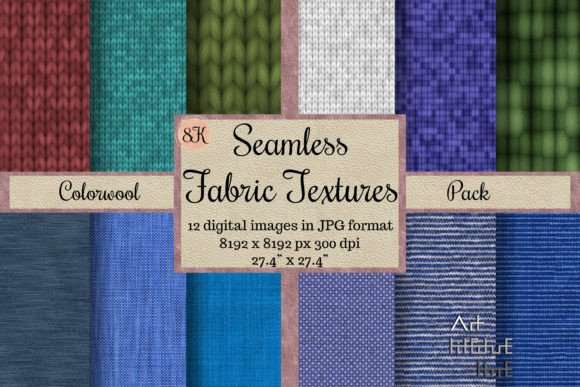
Think about the last time you ran your hand over a linen tablecloth or a wool sweater. There’s a subtle pattern, a weave that repeats but never looks machine-perfect. Seamless fabric textures capture that organic, handcrafted feel digitally. The Colorwool collection specifically offers 12 distinct patterns, each designed to tile perfectly without visible seams. This means you can apply them to any surface—large or small—and the pattern flows continuously, just like real fabric would.
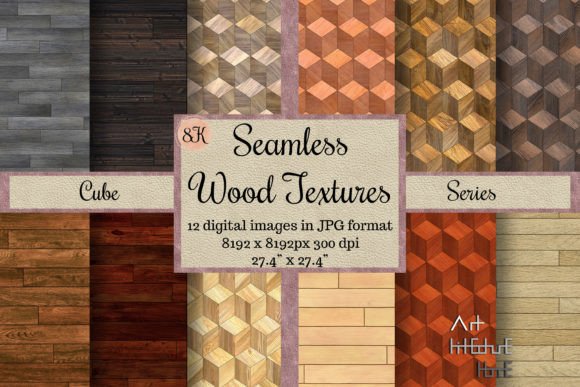
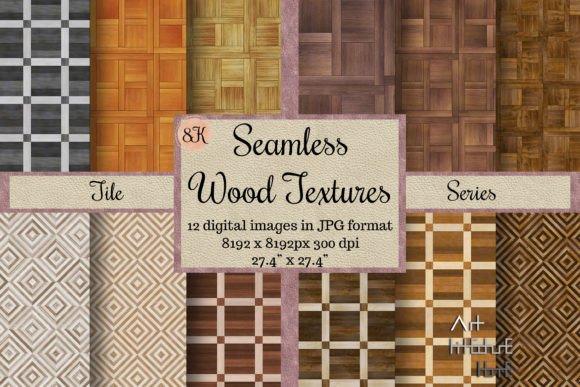
Each texture in this set measures 27.4 by 27.4 inches at 300 DPI, which translates to 8192 by 8192 pixels. That’s serious resolution. You can scale these up for architectural prints or down for a tiny sticker, and the detail stays crisp. The file size of over 480 MB reflects that quality; these aren’t compressed, low-res images. They’re built for real-world use where clarity counts.
Where These Textures Shine: Practical Applications
You might be wondering how a fabric texture fits into your workflow. Honestly, the versatility is what makes this collection valuable. Let’s break it down by use case.
For web design and digital backgrounds, these textures add a layer of sophistication. Instead of a flat color, a subtle linen weave behind your text creates visual interest without distraction. It works especially well for brands in lifestyle, fashion, home décor, or artisanal goods—any space where authenticity and craftsmanship are part of the story.
In print and editorial design, think about book covers, magazine layouts, or packaging. A textured background can set the mood instantly. A woolen texture might evoke warmth and tradition for a cookbook, while a finer weave could suggest elegance for a luxury brand’s lookbook. Because these are seamless, you can print them large without worrying about awkward tiling lines.
Crafters and small business owners will find endless uses. Scrapbooking, vinyl decals, Cricut projects, and wedding props all benefit from realistic textures. Imagine creating custom invitations with a linen background—it immediately feels more premium than plain paper. For miniature homes or dollhouse sheets, these textures scale down beautifully, adding realism to tiny furnishings.
Architectural and interior designers can use them in floor plans, wall treatments, or fabric mockups. When presenting a concept to a client, showing how a textile will look in a space helps them visualize the end result. These files are large enough for professional prints, so they’re not just for screen use.
Choosing and Pairing These Textures in Your Projects
Not every texture fits every project. The key is to consider the personality of the pattern. Some of the Colorwool textures might be coarse and rustic, while others are smooth and refined. Match the texture to your brand’s voice. A handmade soap company might lean toward a nubby linen, while a modern furniture brand might prefer a tight, subtle weave.
When pairing these textures with typefaces, think about contrast and hierarchy. A bold, clean sans-serif font will stand out nicely against a textured background. If you’re using a script or handwritten font, make sure the texture doesn’t compete—it should support, not overwhelm. Test your combinations at actual size. What looks good on screen might feel busy in print, especially with smaller text.
Color is another consideration. These textures work beautifully as backgrounds, but you might need to adjust opacity or overlay them with a color wash to fit your palette. In Photoshop or Illustrator, experiment with blending modes like Multiply or Soft Light to integrate the texture seamlessly into your design.
Why Quality Matters in Design Assets
I’ve seen too many projects undermined by low-quality assets. A pixelated texture or a poorly tiled pattern breaks the illusion and cheapens the final product. With Seamless Fabric Textures - Colorwool, the resolution and seamless tiling are guaranteed. That reliability saves you time—you’re not fixing seams or upscaling blurry images.
For commercial use, always check the licensing. This collection is designed for both personal and commercial projects, which is essential if you’re selling products or creating client work. You want assets that you can use without legal headaches.
Ultimately, these textures are about adding a human touch to digital work. They remind us that behind every screen, there’s a material world we’re trying to connect with. Whether you’re designing a brand identity, creating social media graphics, or crafting a physical product, Seamless Fabric Textures - Colorwool gives you a tool to make your work feel more tangible, more considered, and more real.