Windy Tundra White Wolf: A Cutting Board Sublimation Design
A Design That Tells a Story
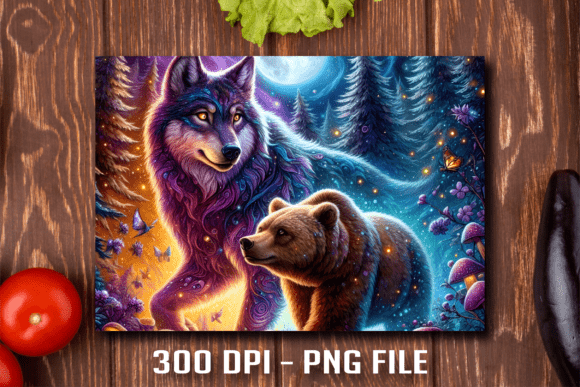
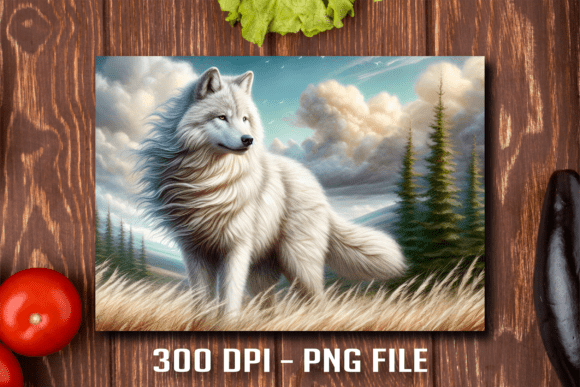
The Windy Tundra White Wolf cutting board sublimation design is more than just a digital file; it's a narrative captured in pixels. At its heart, the design features a majestic white wolf, a symbol of strength, intuition, and the wild spirit of the arctic. This isn't a cartoonish depiction but a realistic, detailed portrait that conveys a quiet power and serene intelligence. The "Windy Tundra" backdrop isn't merely a background—it's an atmosphere. Subtle, sweeping textures suggest snow-swept plains and crisp, cold air, creating a sense of depth and place. The overall color palette leans into cool, muted tones—whites, soft grays, and hints of icy blue—punctuated by the warm, natural grain of the wood or the sleek sheen of glass it's designed to adorn. This contrast is key to its appeal, offering a design that feels both wild and sophisticated, organic and refined.
The personality of this design is one of quiet elegance and rugged beauty. It doesn't shout for attention with loud graphics or chaotic patterns. Instead, it draws you in with its detail and mood. This makes it incredibly versatile. It can feel rustic and cozy in a farmhouse kitchen, or it can feel modern and minimalist in a contemporary urban loft. The style walks a fine line between artistic illustration and functional decor, making it a perfect candidate for creating a personalized cutting board that feels like a piece of art. For a small business owner, this design offers a unique product that stands out from generic floral or geometric patterns, appealing to customers who appreciate nature, wildlife, and thoughtful design.
Practical Applications for Creators and Businesses
The true value of the Windy Tundra White Wolf design lies in its application. As a high-resolution PNG file at 300 DPI, it's engineered for sublimation, a printing process that infuses ink directly into the surface of a coated substrate, resulting in vibrant, permanent, and dishwasher-safe images. This makes it ideal for creating personalized cutting boards, but its use doesn't have to stop there. Think about extending the design to other kitchen items: cheese boards, serving trays, or even ceramic tiles for a backsplash. The design's strength is in its ability to transform a functional kitchen object into a centerpiece, a conversation starter, or a deeply personal gift.
For entrepreneurs in the personalized gift market, this design is a powerful asset. It provides a ready-made, professional foundation that can be customized. Adding a family name, a special date, or a short quote in a complementary font can turn it into a bespoke wedding gift, a memorable housewarming present, or a cherished heirloom. The key is to treat the design as a component of a larger brand identity. A business specializing in nature-inspired home goods could build a cohesive product line around this and similar designs, using consistent packaging and marketing materials to create strong brand recognition. The design's inherent quality helps establish a perception of professionalism and care, which is crucial for building customer trust and loyalty.
Integrating the Design into Your Workflow
Working with a premium digital asset like this requires a thoughtful approach. First, consider the substrate. The design will look different on white-coated wood versus clear glass. On wood, the white areas of the wolf will take on the warmth of the wood grain, adding an organic feel. On glass, the colors will appear more luminous and crisp. Testing on a small sample piece is always a wise step before committing to a final product. This is where practical design experience comes in—understanding how ink interacts with different materials is just as important as the artwork itself.
Next, think about composition. The provided dimensions (11.6" x 8.2") are a standard cutting board size, but you have creative freedom. Will you use the design as a full-bleed image, covering the entire surface? Or will you frame it with a border of the natural material? Perhaps you'll position it off-center for a more dynamic layout. When adding text, font pairing becomes critical. A bold, clean sans-serif font might work well for a last name, providing a modern contrast to the detailed illustration. A delicate script font could add a touch of elegance for a date or a short message. The goal is to create visual hierarchy where the wolf remains the focal point, and the text serves as a personalized accent, not a distraction.
Finally, from a commercial standpoint, understanding the licensing is essential. The file is specified for personal or small business use, which typically allows you to create and sell physical end-products made with the design. This is the cornerstone of many craft-based businesses. However, it's always good practice to review the terms to ensure your specific model—whether you're selling finished boards at a local market or taking custom orders online—aligns with the license. By respecting the asset's intended use, you support the designers who create these tools, enabling the ecosystem that provides high-quality design assets for everyone. The Windy Tundra White Wolf design is a versatile tool that, when used with skill and creativity, can indeed help transform ordinary objects into extraordinary pieces of functional art.