Geometric Pattern Design: A Deep Dive into Retro-Modern Style
Why This Pattern Set Is a Designer's Secret Weapon
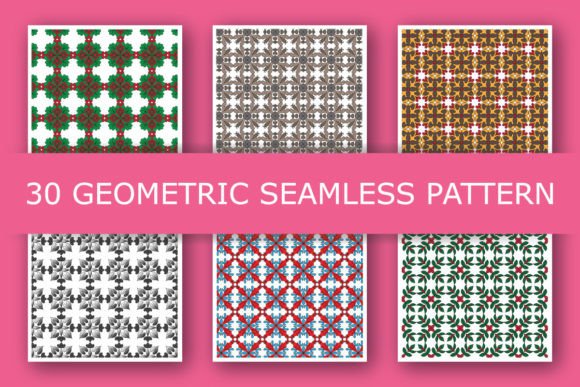
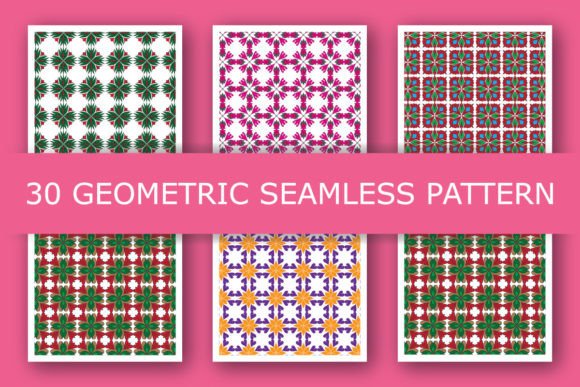
Let's be honest, finding high-quality, versatile design assets that don't scream "generic template" is a real challenge. We've all spent hours scrolling through endless pages of options, only to settle for something that's just okay. That's why a well-curated set of geometric pattern design elements can feel like striking gold. This particular collection, drawing heavily from the bold aesthetics of the 80s and the playful rebellion of 90s Memphis design, is one of those finds. It’s not just a background; it's a statement. The seamless abstract maze patterns and vibrant geometric doodles offer a unique blend of nostalgia and contemporary edge, making them incredibly useful for a wide range of projects.
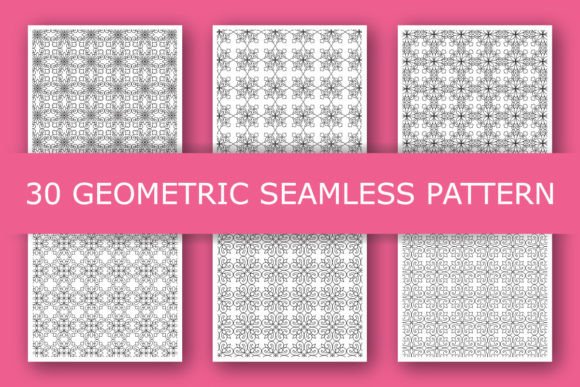
Think about it. You're working on a brand identity for a new tech startup that wants to feel innovative but approachable. Or maybe you're designing a line of tote bags and need a pattern that pops on social media and looks just as good printed on fabric. This is where a strong geometric pattern design set proves its worth. It provides an instant visual language that communicates energy, creativity, and a certain confident style. The files included—30 Adobe Illustrator vectors, 30 high-resolution JPGs, and 30 transparent PNGs—mean you have the flexibility to adapt them for anything from a tiny mobile cover icon to a large-scale wall art installation without losing quality.
The Personality of Geometric Patterns
Every design asset has a personality, and the geometric pattern design in this set is unapologetically bold and dynamic. The 80s maze influences bring a sense of complexity and intrigue, perfect for projects that need to convey intelligence or a structured yet creative thought process. The Memphis style elements, with their asymmetrical shapes, clashing colors, and whimsical lines, inject pure fun and optimism. Together, they create a visual style that’s neither too corporate nor too casual. It hits a sweet spot that appeals to a broad audience, from young adults to established professionals who appreciate a touch of retro flair.
This personality directly influences how your project is perceived. A wedding invitation card using a softer, more refined version of these patterns can feel modern and celebratory without being stuffy. A book cover for a mystery novel could use the maze-like patterns to subtly hint at the plot's complexity. For apparel, like hoodies or shoe designs, these patterns add instant visual interest and a trendy, artistic vibe that stands out in a crowded market. The key is that the patterns are a starting point. Your color choices, scale, and application will ultimately shape the final message.
Practical Applications: From Sofa Covers to Website Backgrounds
The true test of any design asset is its practicality. Where does a geometric pattern design like this actually work best? The short answer is: almost everywhere, with a little consideration. Let's break it down.
For branding and marketing, these patterns are gold. Use a muted, single-color version as a subtle texture on a business card or letterhead to add depth. Create a bold, colorful pattern as the hero background for a social media campaign—it's instantly eye-catching and highly shareable. For packaging design, especially for products targeting a design-savvy demographic, these patterns can elevate a simple box into something worth keeping.
In digital and web design, a well-chosen geometric pattern design can enhance user experience without causing distraction. A transparent PNG version works beautifully as a website header background or a section divider. It can add personality to an otherwise minimal layout. The key is to ensure it doesn't compete with your typography or core content. Test its readability at different screen sizes and adjust the opacity or color saturation as needed.
The applications extend far beyond the screen. Imagine these patterns on a set of curtains in a modern living room, on carpet tiles in a creative office space, or as the surface of a mouse pad. For crafters and small business owners, the possibilities are endless: pillow designs, ladies bags, wooden coasters, and even belt designs. The vector files ensure that whether you're scaling up for a large print or down for a tiny detail, the lines remain crisp and professional.
Choosing and Implementing Your Pattern
So, you're convinced. How do you choose the right pattern from the set? Don't just pick the flashiest one. Consider your project's core objective. Is it to energize? To organize? To delight? A chaotic, colorful Memphis pattern might be perfect for a children's brand but overwhelming for a financial services brochure. Start by selecting 2-3 patterns that feel aligned with your project's tone.
Next, think about font pairing. This is crucial. A strong geometric pattern design needs a typeface that can hold its own or complement it gracefully. For a harmonious look, pair it with a clean, modern sans serif font. For a more dynamic contrast, try a bold display font or even a simple serif. The goal is visual hierarchy: the pattern should support your message, not drown it. Always test your pattern with your chosen typography in the actual context—a mockup for a sofa cover or a website layout—before finalizing.
Finally, remember the commercial licensing. This set is clearly designed for professional use, but it's always your responsibility to ensure your specific application is covered, especially for high-volume merchandise. The included file formats give you a huge head start, but taking the time to customize colors and combine elements within Adobe Illustrator will make the designs truly your own and ensure they fit seamlessly into your brand identity. This geometric pattern design set isn't just a collection of files; it's a versatile toolkit waiting for your creative direction.